“I built these systems for my own businesses first.”
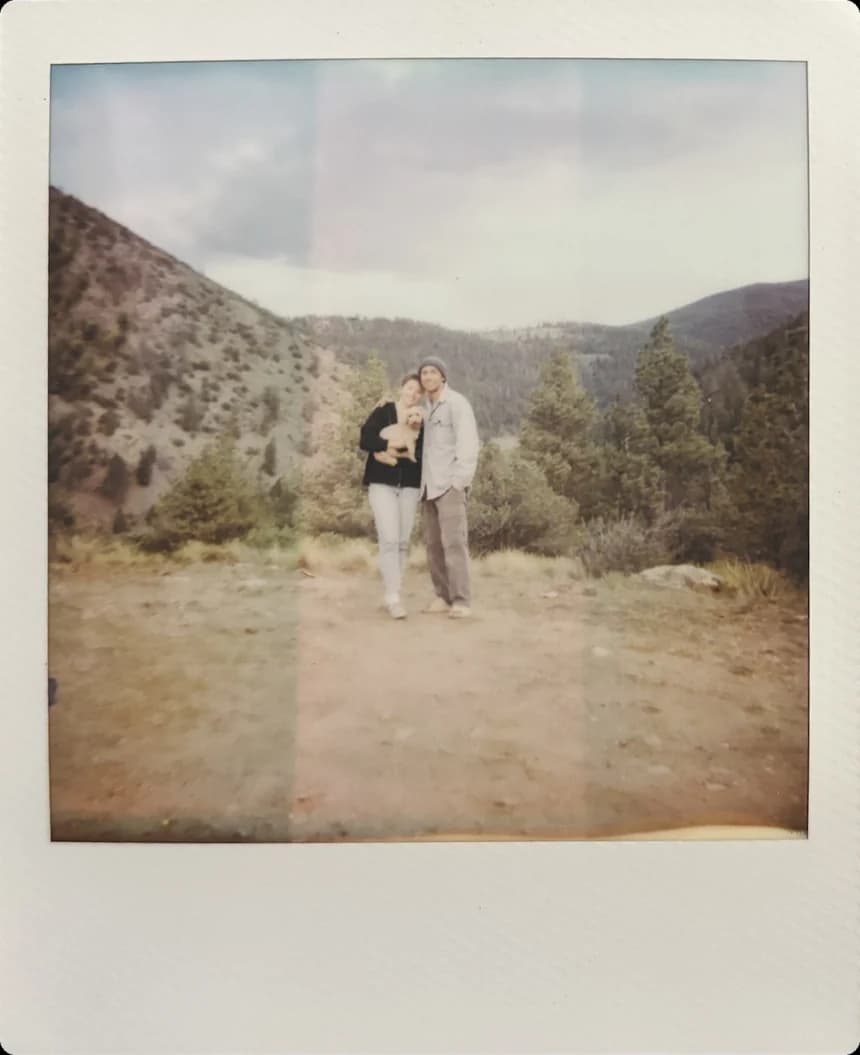
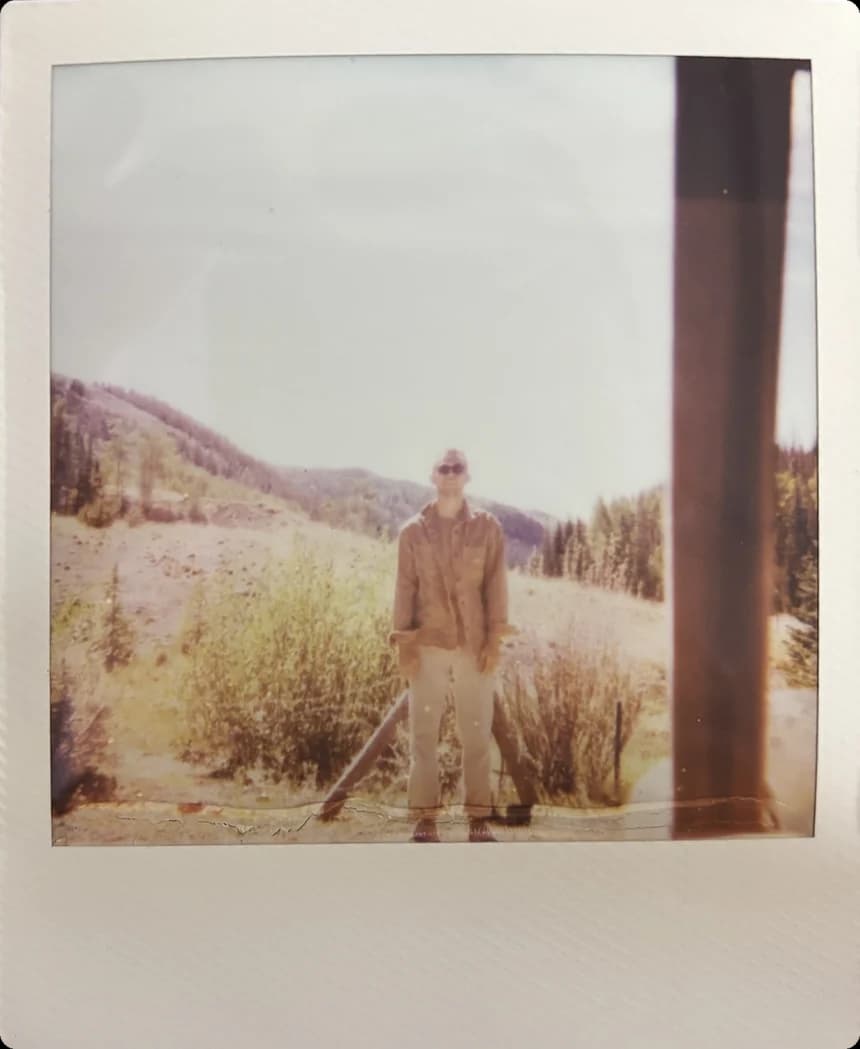
He's been programming for over seventeen years, and spent as much time automating his own businesses as he did growing them. He'll tell you that's because he's lazy and won't do the same thing twice. In 2020 he turned it on other people's businesses instead — he likes learning how a business actually works, and he finds the bottleneck by asking a lot of questions: where the work jams, what gets done twice, which part nobody has gotten around to fixing. The answers become the booking, dispatch, reminder and invoicing systems his clients run on, shaped around how your business already works instead of the other way around.
why we exist
The workaround is the evidence.
The spreadsheet patching the scheduler. The group text doing dispatch. The thing only you know how to do at the end of the month. Every one of those exists because a piece of software didn't fit, and somebody clever worked around it.
That workaround is where we start. We find the thing you do fifty times a week by hand and make it happen once — or not at all.
Built for the field, not the office
Levi's clients answer the phone from under a truck and write invoices at nine at night. If a tool takes more than a few taps on a phone in a driveway, he built it wrong — that is his whole design constraint.
One system, not four subscriptions
Most people who call Levi are already paying for a platform that almost fits, plus the two tools filling its gaps. He replaces the parts that don't fit and connects the rest — your books, your phone system, your processor stay if they already do the job.
Small enough to build your one thing
A platform serving two hundred thousand businesses can never build the thing that matters to one of them; the economics forbid it. Levi can. Every feature request you've filed and never heard back on is a thing he can just build.
where we are
From one truck to a multi-state franchise.
Levi works with owner-operators running a single truck and with franchise operators running branches across five states — and with the American Red Cross. Same approach either way: find what's broken, build that first.
Tell us what's broken.
A call where we map what you do now — the group text, the notebook, the four subscriptions — and show you what it looks like as one system. No deck.